Coastal Building Considerations
Coastal building requires unique considerations. The materials used must endure flood zones, velocity zones (meaning the possibility for damage from strong waves), and hurricane code regulations. Each one of these considerations will have an impact on the design of a seaside home and the materials used.
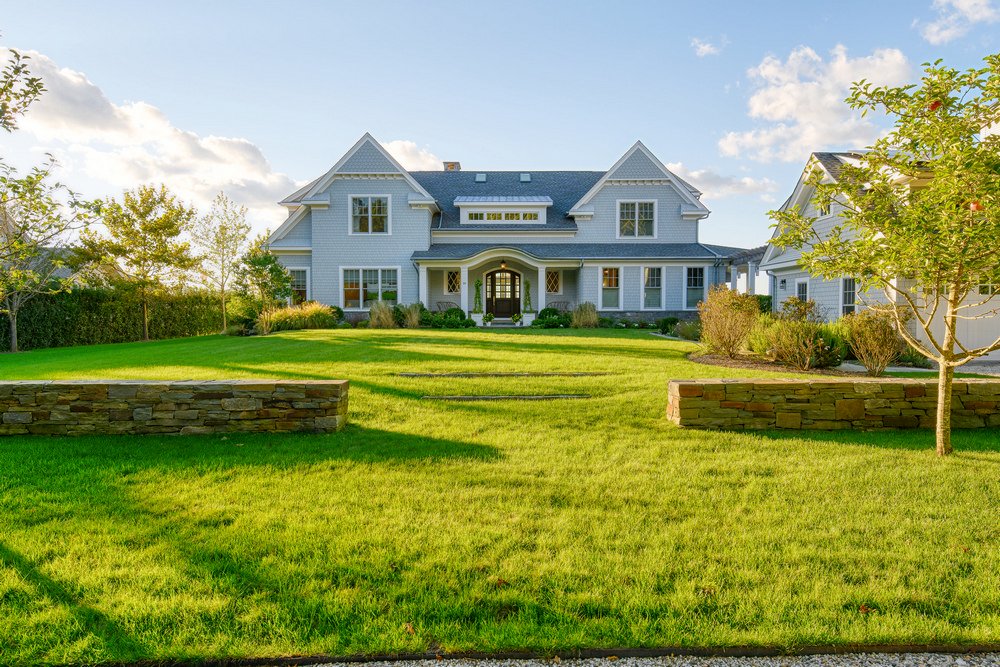
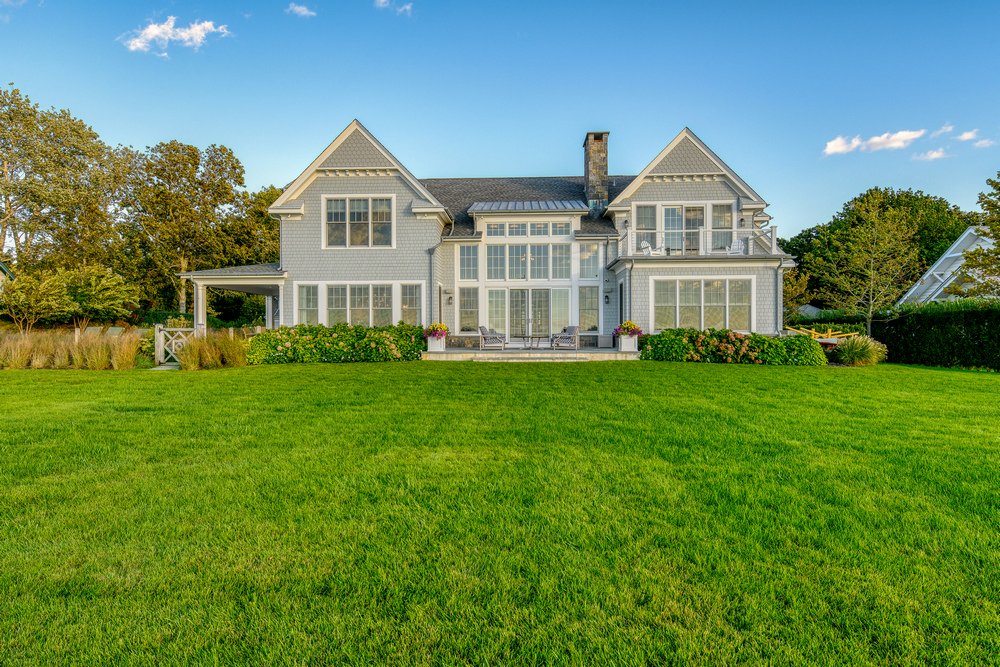
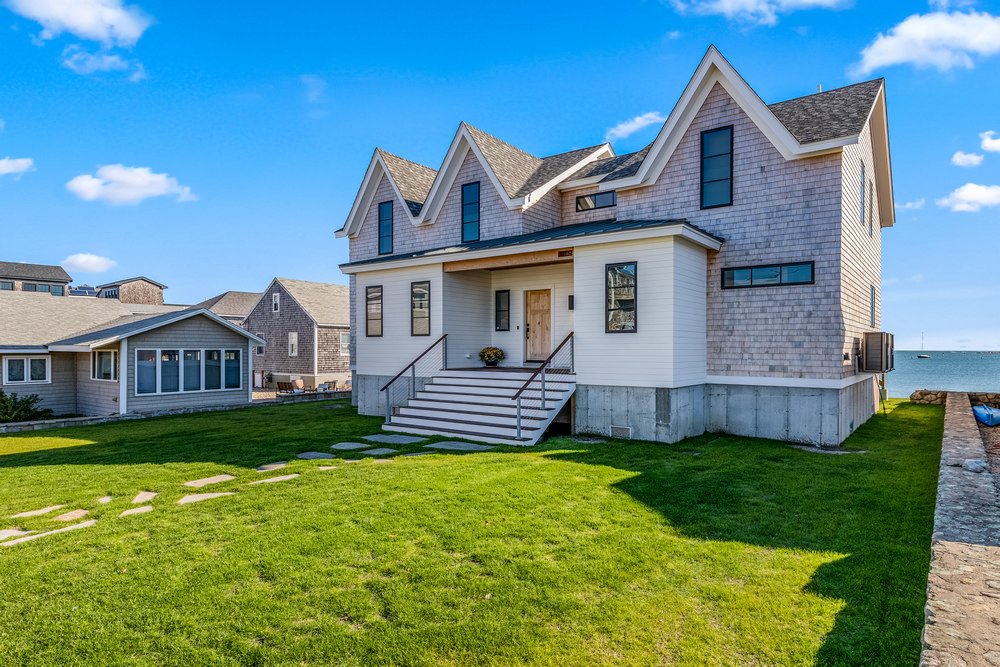
For example, membranes that go under roofs and cladding help protect against wind-driven rain. Solid core insulation creates a better barrier against moisture and windblown snow than the old pink fiberglass insulation. Vertical or horizontal boards are desirable for a more contemporary siding look, but there’s a reason cedar shingles predominate the coast. There’s nothing more effective against Mother Nature’s elements when your home is on or near the ocean.
NOTE: There is no such thing as maintenance-free materials. Maintenance-free is a fallacy because everything requires some level of upkeep.


Coastal Building Challenges
The big three considerations to coastal building are flooding (flood zone regulations are strict), velocity zoning (considers the likelihood of wave damage), and hurricane regulations (all of these will affect insurance rates).
Anyone considering building on the coast should check with their town’s regulations and zoning restrictions before beginning design. Each one of these considerations will play a role in the design of your new home.
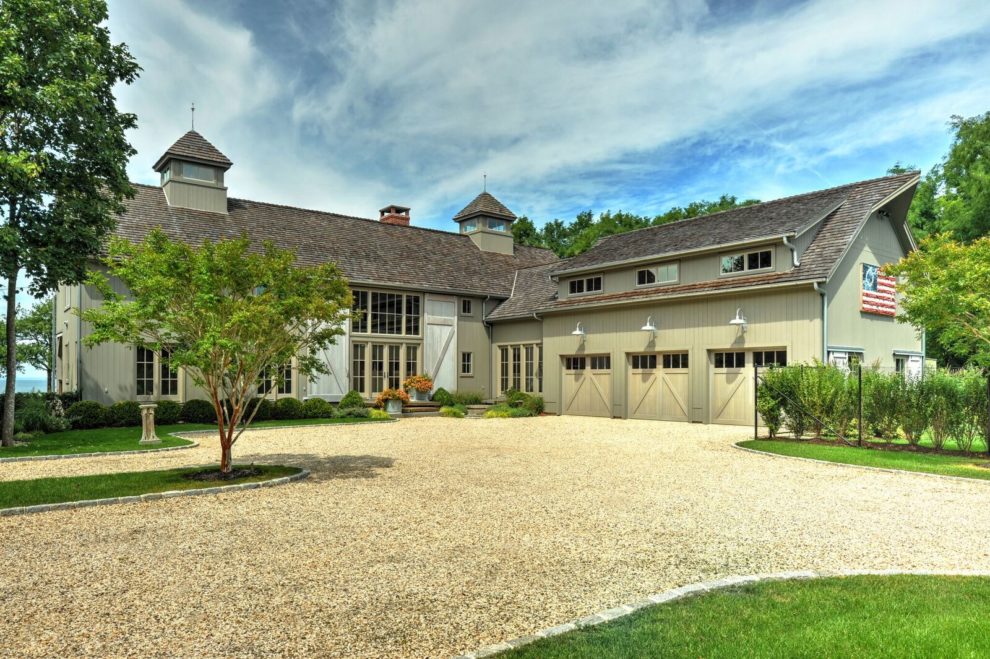
Yankee Barn Homes has built a number of coastal houses. We are well-educated in the requirements for a home impacted by the ocean’s weather. We are aware of design elements that work well in high winds and those that don’t. We understand and can accommodate the need for running plumbing and electrical so it’s not impacted by flooding. We have experience with designing for hurricane-force winds and rain (see our Charleston design, built on the South Carolina coast).



Building Opportunities on the Coast
This section defines itself. Coastal living opportunities include not only the high property value, but the immediate access to sun, beaches, ocean breezes and the laid-back lifestyle of being at the shore.
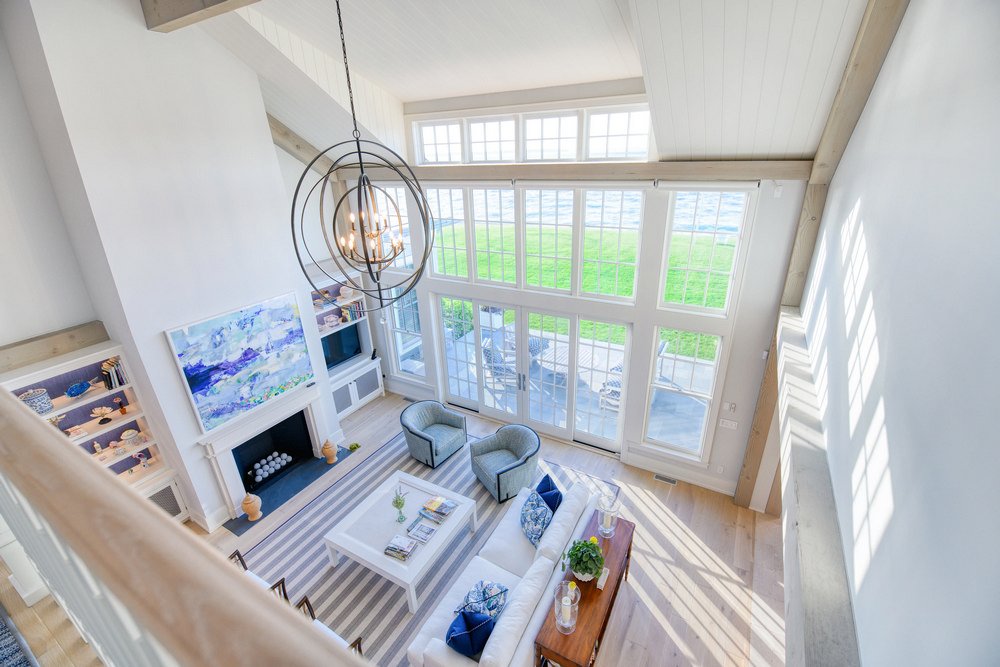
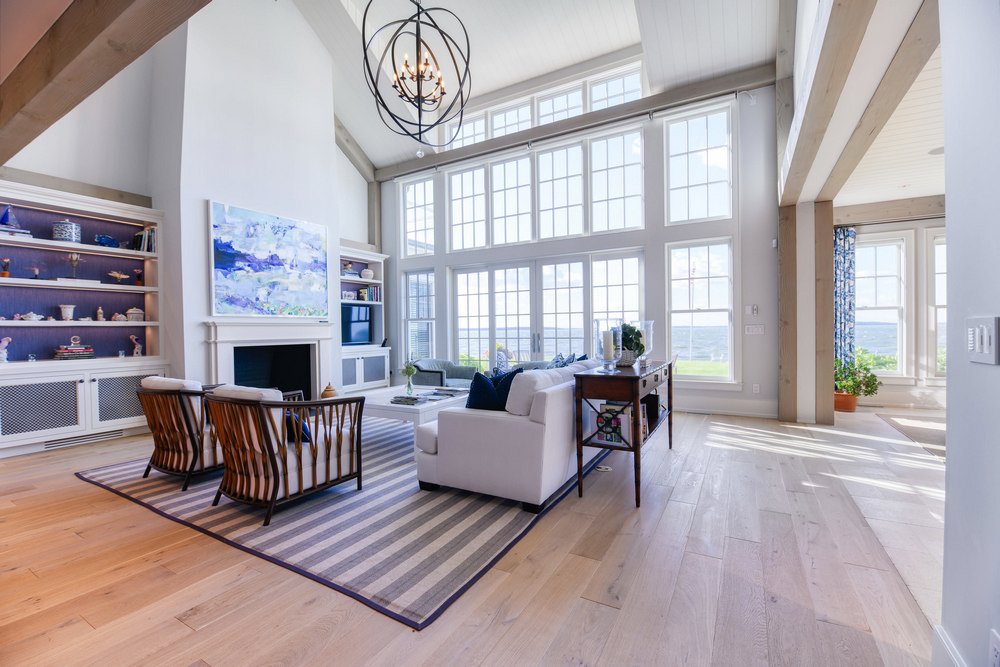
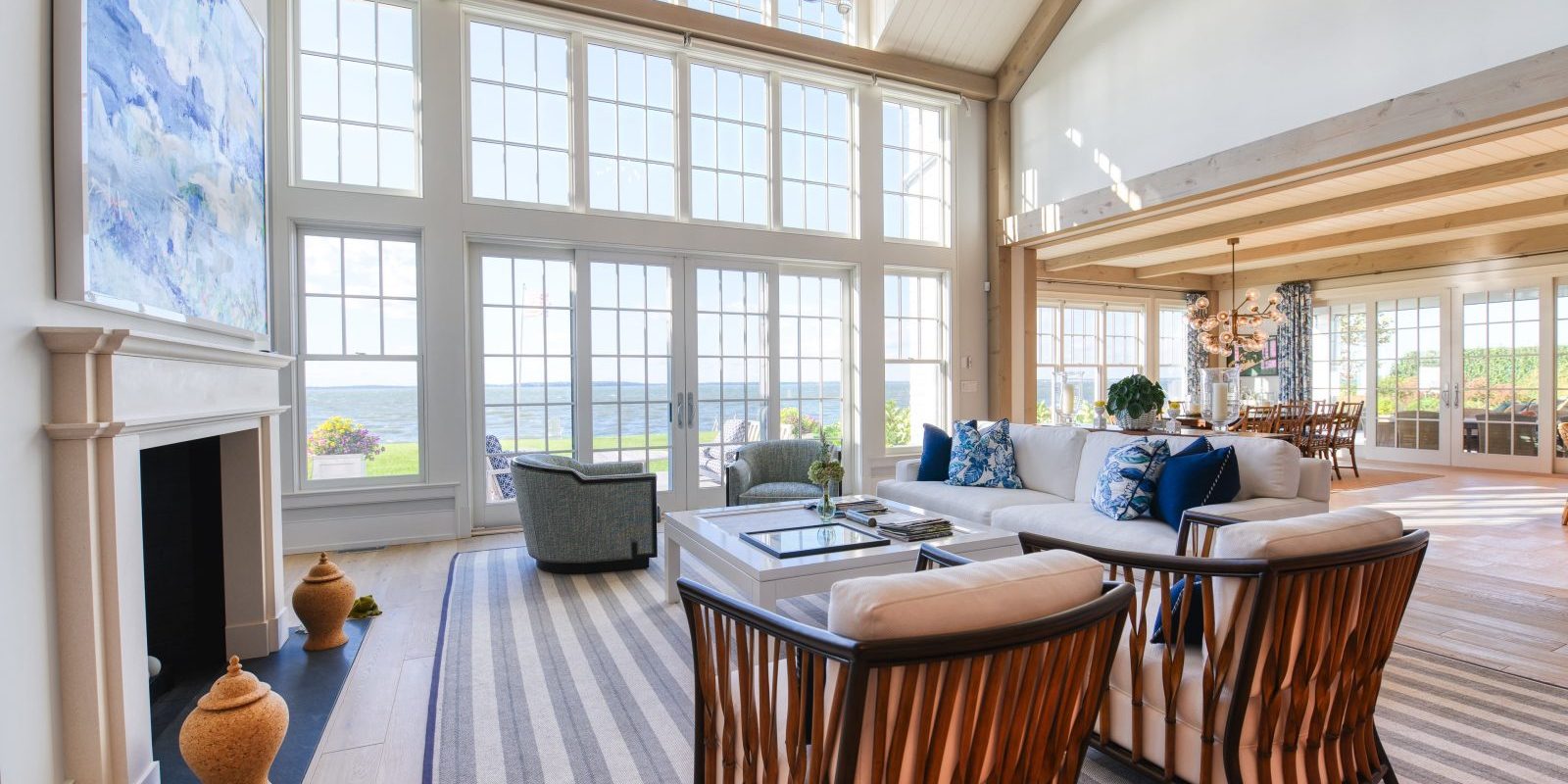
The seacoast vibe means different things to different people. For people who desire an understated style but love the old Nantucket Cottage feel, rooms with shiplap walls, sculptural elements made of dark wood, and hues in coastal-inspired colors and materials abound. Lots of blues, whites, and sand hues—as well as accessories with a subtle nautical touch are common. The driftwood or muted pickled finish on white oak floors is purposely used; it disguises the sand that inevitably gets tracked in.
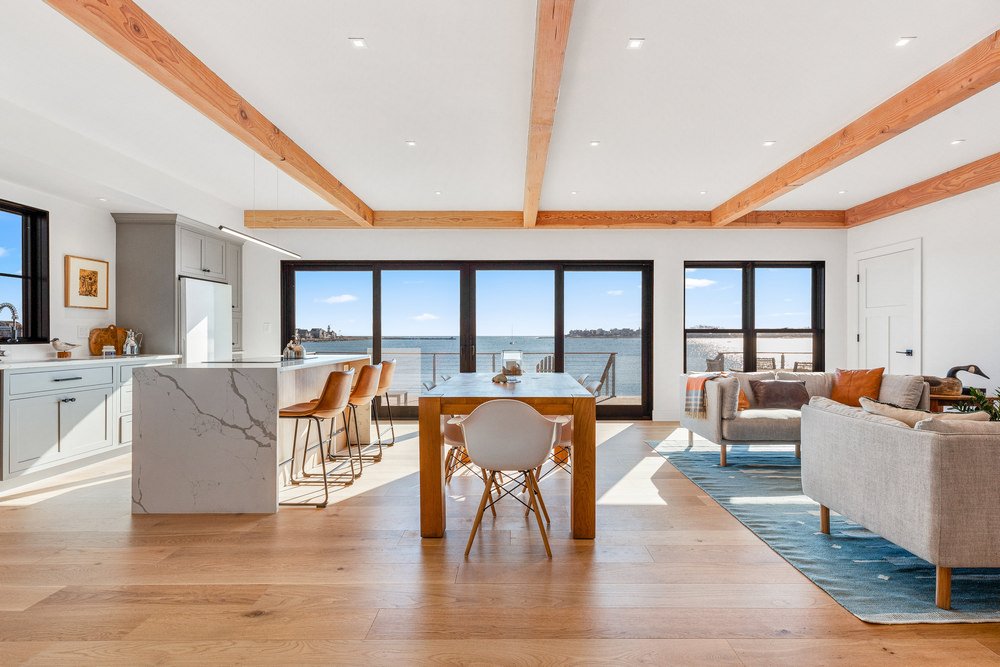
For those seeking a more contemporary bend, bright whites, clean sight lines, and Danish-inspired furniture are popular. Metal rails with wire stringers compliment the modern look and feel of many coastal homes.
No matter the style, the common denominator is the color palette. You will notice the homes pictured here use various shades of blue, white and beige.